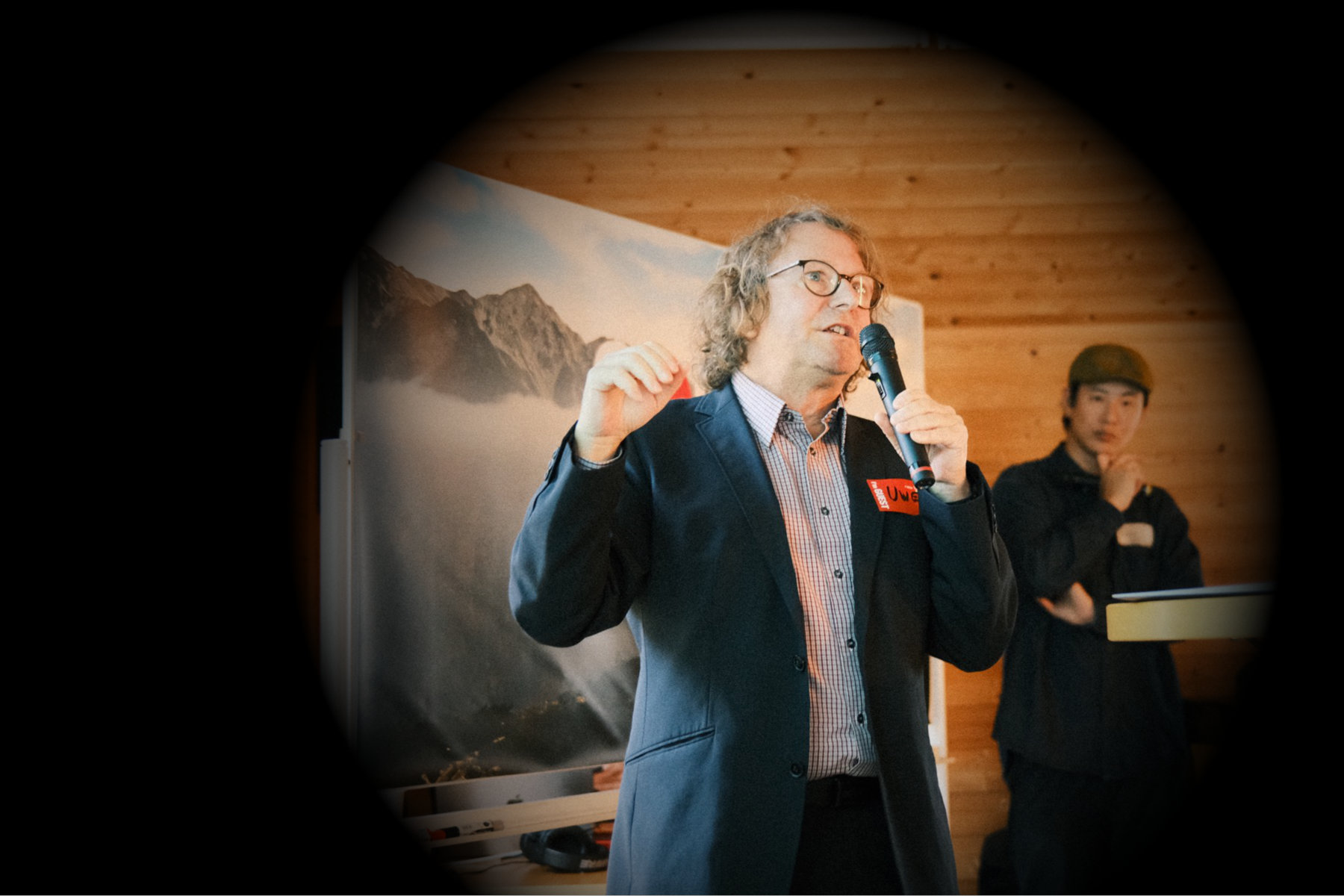
Uwe Allgäuer mid-talk with a microphone, speaking to a room about turning ski towns into nomad hubs

The success behind Bansko — and the method to repeat it.

The Bansko Blueprint: how an ageing ski resort town, with a fading local trade and genuinely quiet summers, became one of Europe's most talked-about nomad hubs — with no masterplan and no budget.

Other events now describe themselves as "like Bansko Nomad Fest." This is the method behind the original.

Book a free 15-minute call
The Bansko Story

Bansko Nomad Fest was the outcome. It was never the plan.
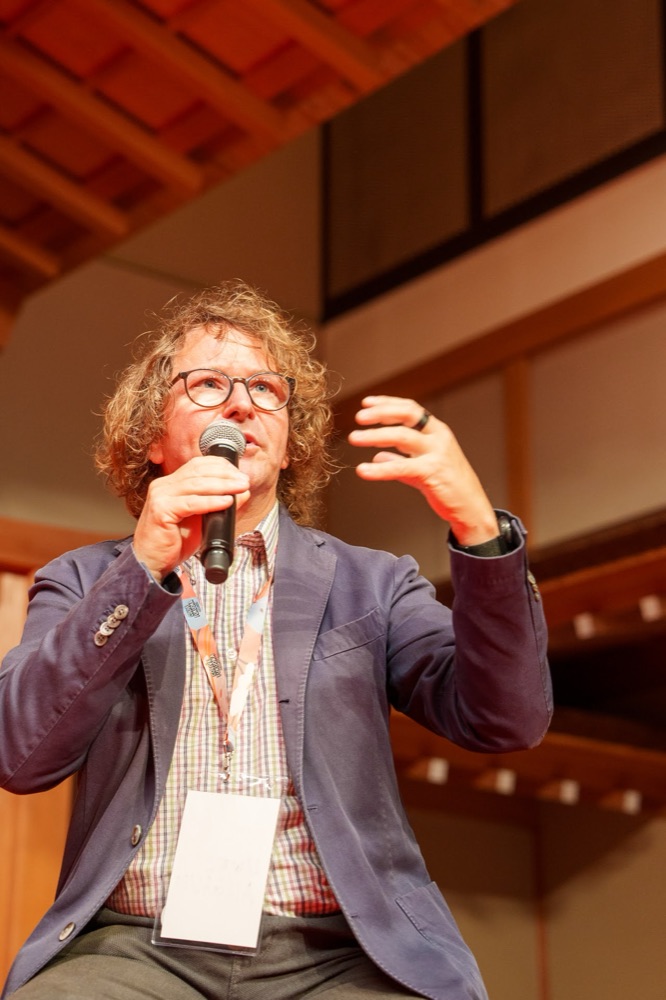
Uwe Allgäuer speaking about coliving and community-building

It started with a sailing trip. After joining the Coboat project at sea, the question was simple: how do you keep the tribe together without endless travel? The answer was to give it a home — a coworking or a coliving space in Bansko, a Bulgarian ski resort. Bansko already drew skiers every winter — 75km of runs, host to Alpine Ski World Cup races — but its traditional wood and carpentry trade was gone years ago, its population ageing, and summers were genuinely quiet, with only a few business open and only little to nothing built around the off and shoulder seasons.

The coworking space was never the point. It was the "where." What made people stay was the "why" — and the why was relentless. At our peak we ran up to 40 events a year: weekly masterminds, hot-spring soaks, board game and poker nights, jam sessions, "show and tell" nights where people presented what they were building, hot seats to help someone push a project forward, meditation, yoga. The format kept changing. The core never did — community, the chosen family.

Summer, not winter, became the breakout season. Three years of that rhythm scaled, almost by accident, into one big pivot: instead of dozens of small gatherings, one week that brought everyone together — Bansko Nomad Fest.

The story behind the story

The real shift came before the festival

The change traces back further than any festival — to the nomad hub itself. A growing, year-round international community put down roots and, without fanfare, rewrote what Bansko was for.

A movement that was invisible at first

Unlike traditional tourism, this community was almost invisible. Digital nomads and remote professionals organise through online groups, meetups and word of mouth — not coach tours. For years most Bulgarians simply didn't register what was happening: people were finding one another online, settling in, and quietly growing in number.

The whole ecosystem lifted with it

As numbers grew, the effect became impossible to ignore. Restaurants and cafés that once shut after the ski season stayed open all summer. Shops and businesses built specifically around nomads appeared; companies from outside relocated to serve the market. People bought property, invested, launched ventures and hired local staff — thousands of individual decisions, not one big moment.

Then the town noticed

Over time locals recognised the shift. Young people were returning. More businesses stayed open year-round. International gatherings became a regular fixture. What had been almost invisible was now unfolding on their own streets — changing the economy and the character of the town.

The festival was proof, not cause

Bansko Nomad Fest arrived three years after Coworking Bansko (2016) had already proven the model. The festival accelerated momentum and gave the community a visible annual gathering — but it was never the cause. It's not the beginning of the story; it's proof the story was already well underway.

That's the short version. I wrote the whole journey down in detail — From Sea to Summit: The Voyage of Coworking Bansko on Medium.
Framework

The Community Ikigai

The Community Ikigai is a result of my relentless work — building the community, running a coworking space, and speaking about the methods, the impact, and the possibilities that allow you to implement this framework in your ecosystem. The knowledge and insights came from experience, from sharing what we have built in Bansko, and from the success that is visible and recognised worldwide.

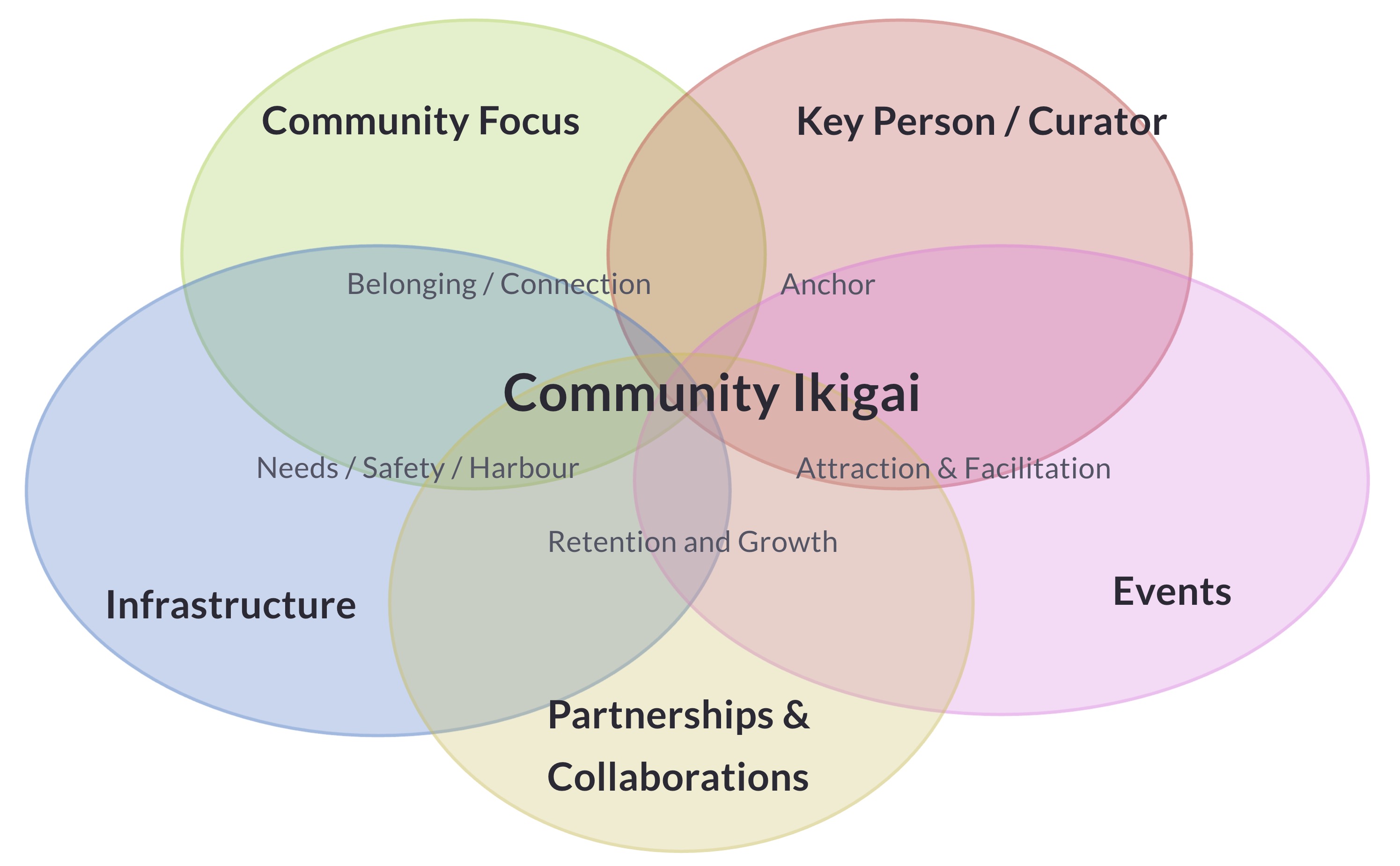
Five overlapping pillars. Their intersection is where a thriving community actually lives.

The Community Ikigai diagram: five overlapping circles — Community Focus, Key Person/Curator, Events, Infrastructure, Partnerships and Collaborations — converging on a shared centre

Community Focus

Creates belonging and connection

Key Person / Curator

Anchors the group around a trusted figure

Events

Attracts newcomers and facilitates bonding

Partnerships & Collaborations

Drives retention and growth

Infrastructure

Provides the physical safety and "harbour" the whole thing rests on

The Community Ikigai — the centre

Where all five pillars overlap — the thriving centre — is where a community stops depending on any one of them and becomes self-sustaining.

Proof

Proof It Worked

2,000

digital nomads based in and around Bansko at the height of the Nomad Fest season

800+

official Bansko Nomad Fest attendees, with meaningfully more coming to town informally around it

65

units sold through Mons Orbelus, a community co-ownership model built on the same coliving principle

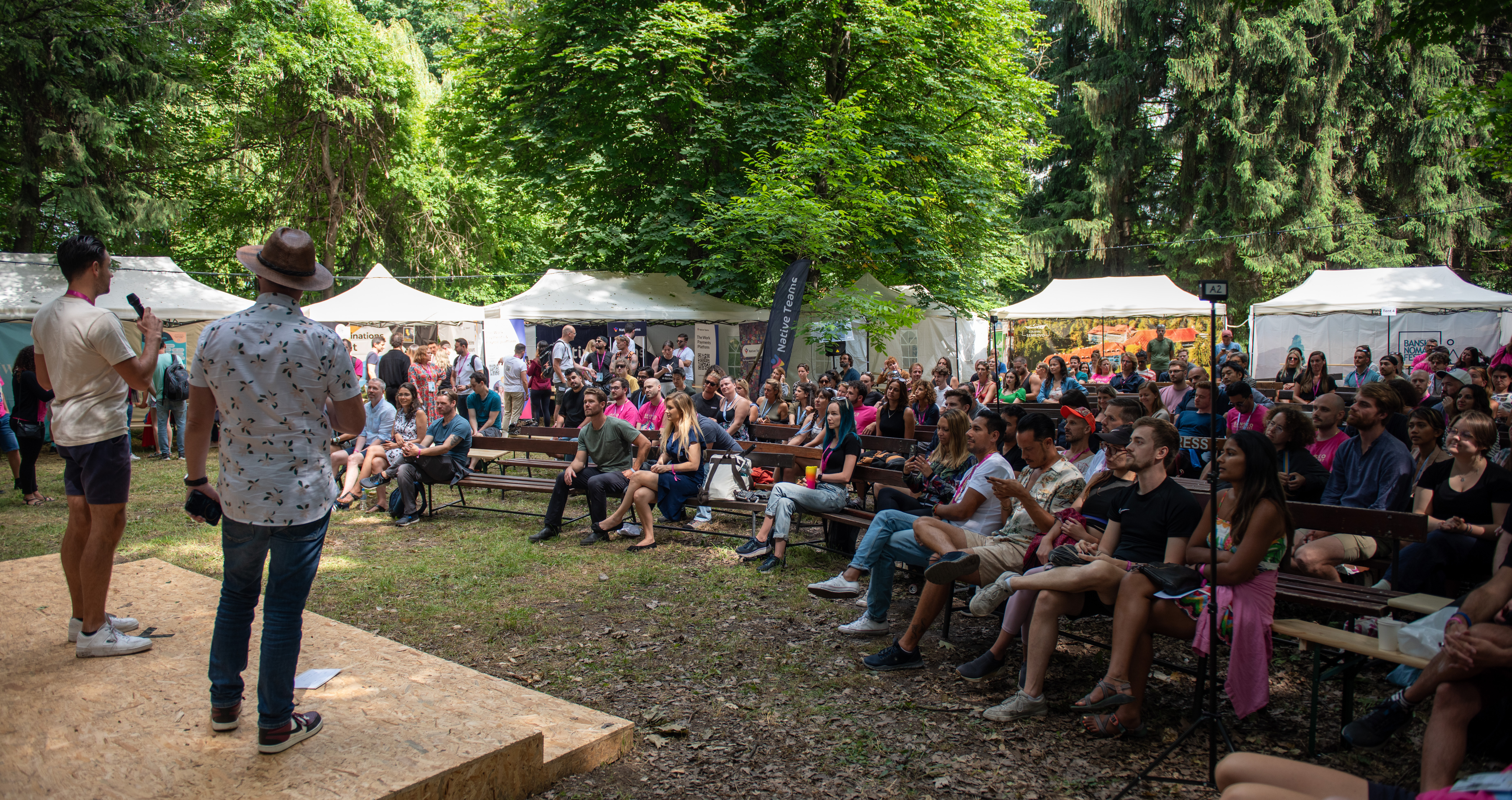
A packed outdoor crowd at Bansko Nomad Fest's unconference, watching a pitching session under the trees

A visible shift in the town itself — more businesses open through summer, outside businesses relocating in, nomads investing and hiring locally, locals picking up the lifestyle themselves, and a year-round calendar of nomad events rather than one festival week.

A Blueprint Without Borders

Governments invite it in. Organisers copy it. New towns want it next.

One mountain town became a method — and it's now being sought out on its own: to be understood, to be replicated, and to be planted somewhere new.

Sought out to teach it

Governments & summits want to know how it works

Uwe is flown in to hand over the playbook directly — from national nomad programmes to ski towns and industry summits starting exactly where Bansko did.

Hakuba, Japan

A ski town facing Bansko's exact starting conditions brought Uwe in to teach the Community Ikigai in person — a working handover of the model, not just a keynote.

MDEC, Malaysia

Malaysia's government-run national digital-nomad programme put him on stage as its sole European voice on how nomad communities are actually built.

Niš, Serbia

Invited to speak at the 8th Forum “Technology in Serbia”, the country's flagship tech gathering, on turning a place into a nomad hub.

Coliving & coworking summits, Europe

A recurring invited speaker across the sector's own conferences, including Albufeira Nomad World in Portugal.

Government advisory, internationally

Talks delivered on this exact topic in multiple formats and countries — diagnosing where a region's nomad strategy falls short, and laying out what to do about it.

Copied & carried onward

Organisers replicate it — and take it to new destinations

The strongest proof it works: a wave of new festivals now brand themselves, in their own marketing, as “like Bansko Nomad Fest.”

Swiss Nomad Fest & Athens

New hubs seeded by Bansko Nomad Fest's own co-owners, deliberately carrying the model into fresh regions.

Nomads in Paradise, Siargao

An independent festival in the Philippines, positioned by its own organiser — in his words — as a Bansko-style nomad fest.

Niš Nomad Weekend, Serbia

A full nomad-festival week grown up around the same playbook, run entirely by local organisers.

Italia Nomad Fest, Palermo

A new nine-day Sicilian edition joining the wave, staged across the old town of Palermo.

…plus Colive Fukuoka, Türkiye Nomad Fest (Alanya), Nomad Experience (Shimoda), The Nomad World (Porto), Nomad Week (Cape Town) and more each season.

Why It Matters

Why regions, organisers, and builders want in

Independent research on nomad-friendly places backs what Bansko lived through: done right, a nomad community is one of the highest-value, lowest-footprint things a place can attract — and a rare growth industry a town can start almost from nothing.

For regions & governments

Nomads aren't tourists

They stay for months, not days — spending locally and repeatedly, and filling exactly the off-season that tourism leaves empty. The money is earned in stronger economies and spent in yours, and it arrives with skills, workshops and new businesses, not just footfall. It's brain gain a place can't buy — and the reason dozens of governments now compete for this group with dedicated nomad visas.

For organisers

The festival is the tip; the community is the engine

This is a proven, repeatable model with demand already in place — events now brand themselves after it. Built the right way round, it gives a town a real reason to back you, and gives you a returning community instead of a one-off crowd that leaves when the week ends.

For builders & operators

A growing field, with a tested starting point

Remote work isn't a blip — tens of millions of nomads and rising, with room for new hubs, spaces and events worldwide. The Blueprint hands you a method that already worked once, so you start from a pattern rather than from guesswork.

The evidence is clear and points one way: countries are now in a race to attract Digital Nomads, and where nomads settle they tend to earn well above local averages and spend it locally — without taking local jobs, while sharing skills and seeding new businesses. Sources: Work Freedom Insights; Harvard Business Review.

Work With Uwe

Work With The Blueprint

You're not hiring an agency — you're working directly with Uwe Allgäuer: an MBA (Liverpool John Moores University) and an IT background, applied through a decade of hands-on community-building in Bansko. Fast analysis, and solutions built to be used, not filed away.

Speak

Keynotes & panels

Talks on building nomad destinations on a shoestring, drawn from a decade of building Bansko from zero.

Advise

Strategic advisory

For regions, municipalities, and developers who want a genuine community-led hub, not a real-estate project with events bolted on.

Workshop

Hands-on training

Teaching the Community Ikigai framework to community builders, coworking/coliving operators, and event organisers.

Get in touch
For Media & Researchers

A source for podcasts, broadcast, and academic research on digital nomad hubs

If you're covering remote work migration, community-led development, or how a place actually becomes a nomad hub, this is what a decade of doing it — not studying it — looks like.

Podcasters & interviewers

Long-form conversations

How Bansko happened — the sailing trip, the coworking space, the pivot to Bansko Nomad Fest, and what went wrong along the way. Comfortable on camera or off, studio or remote.

TV & radio

On-air commentary

Available for broadcast interviews on digital nomad migration, remote work's economic impact, and community-led regional development — including short-notice bookings.

Scholars & researchers

A primary source

Academic and policy research into digital nomad migration, brain gain, and off-season tourism economics — ten years of first-hand data from one of Europe's most-cited case studies.

Get in touch
Contact

Let's Talk

Whichever door fits — speaking, advising, or a workshop — the first step is a short call.

Book a free 15-minute call